Why Outdoor Wooden Toys Matter: Encouraging Active, Healthy Play
- Share
- Issue Time
- Aug 24,2026
Summary
Screen-free outdoor wooden toys promote physical activity, nature connection, and social play — delivering health, developmental, and market benefits.
Why Outdoor Wooden Toys Matter: Encouraging Active, Healthy Play
Global health organizations now classify reduced physical activity among children as a public health concern. With average daily screen time exceeding three hours for preschoolers, the need for compelling outdoor play solutions has never been greater.
Wooden outdoor toys offer a uniquely effective response. They combine the durability required for garden and playground environments with the aesthetic warmth that encourages children — and parents — to choose outdoor activity over indoor screen time.
From ride-on toys and sand tables to climbing structures and art easels, outdoor wooden toys serve dual purposes: they promote gross-motor development and create shared social experiences that screens cannot replicate. For B2B buyers, this category represents one of the fastest-growing segments in the wooden toy market.
Physical Health and Gross-Motor Development
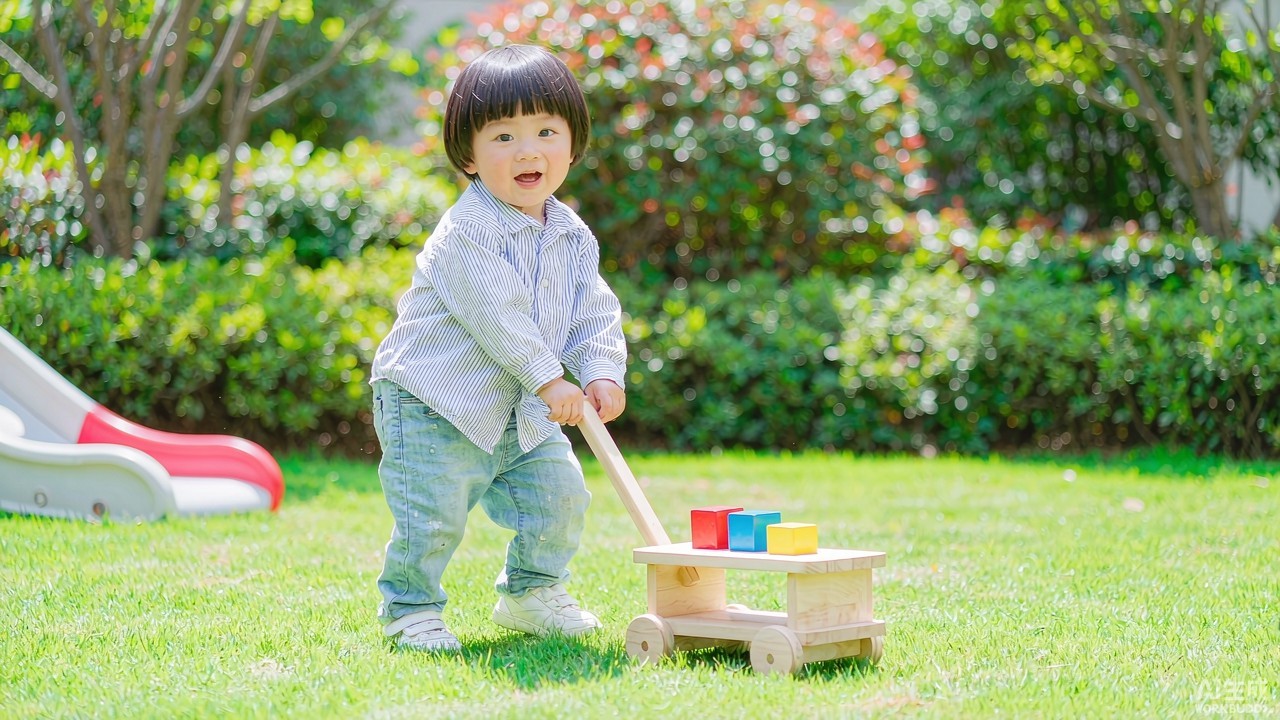
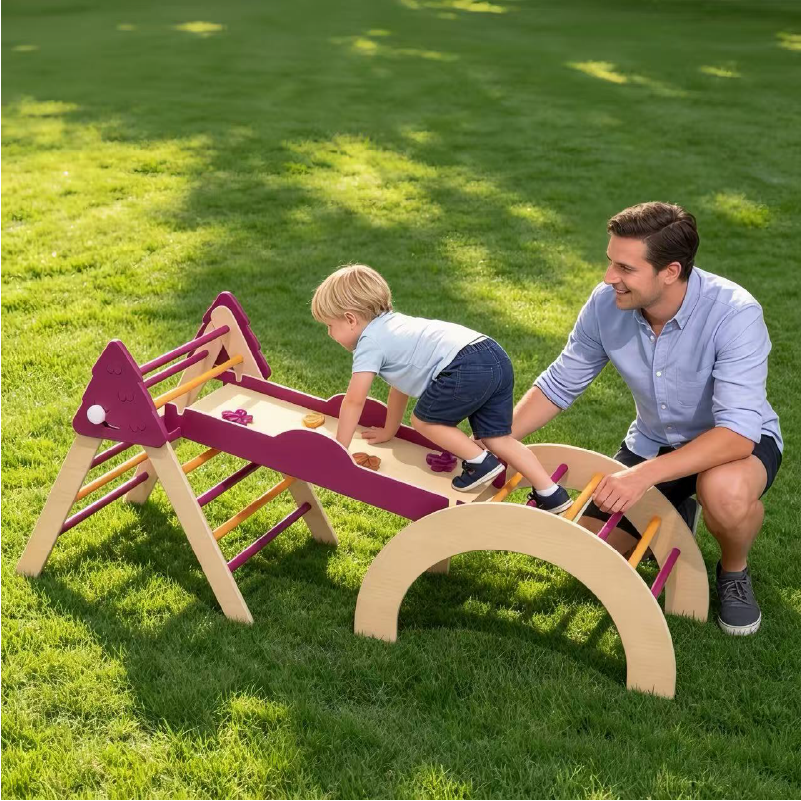
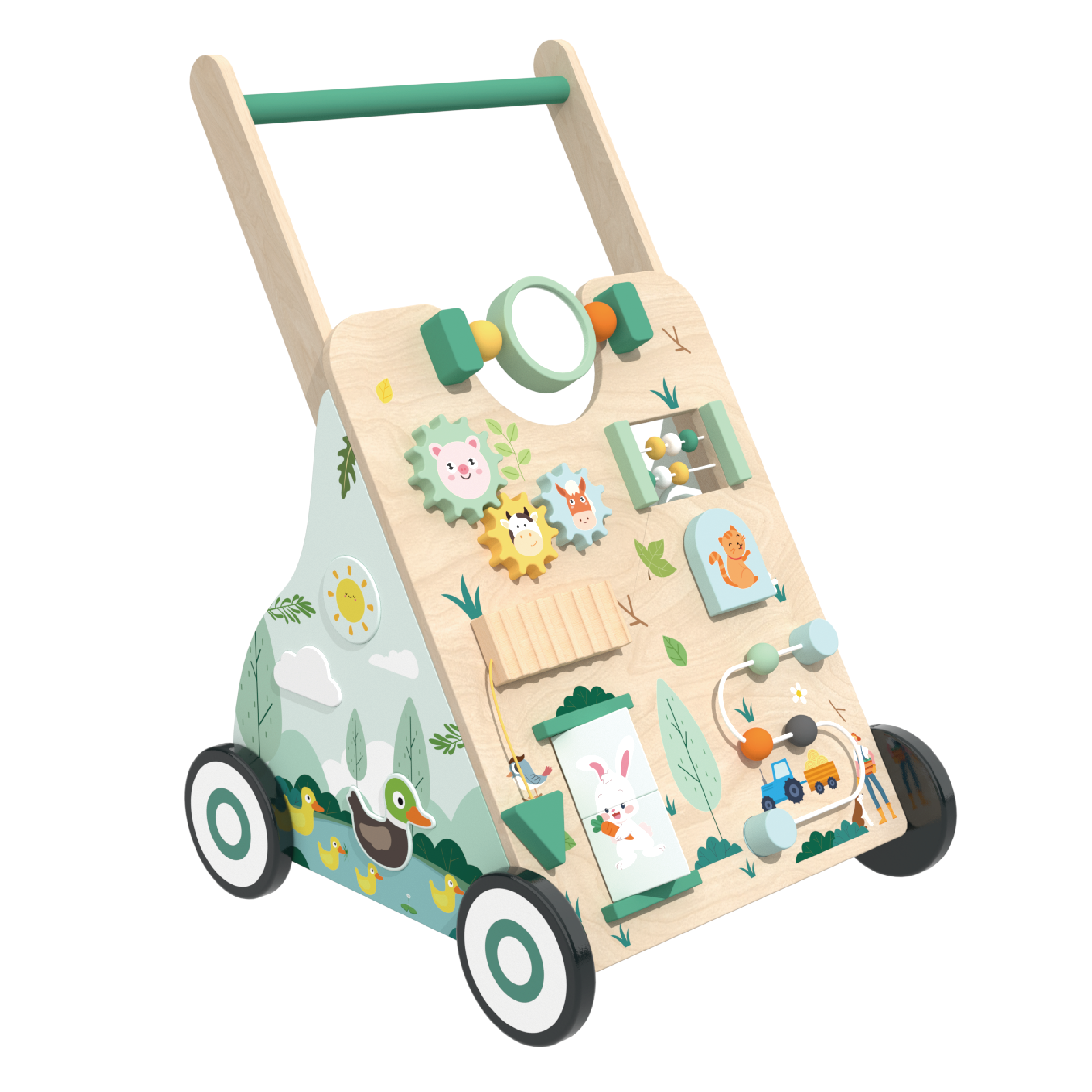
Outdoor wooden toys such as push walkers, balance boards, and pull-along carts encourage running, pushing, pulling, and balancing. These activities strengthen core muscles, improve coordination, and build cardiovascular fitness. Unlike plastic alternatives that degrade under UV exposure, sustainably treated hardwood outdoor toys withstand sun, rain, and temperature fluctuations while maintaining structural integrity.
Social Play and Cooperative Outdoor Games
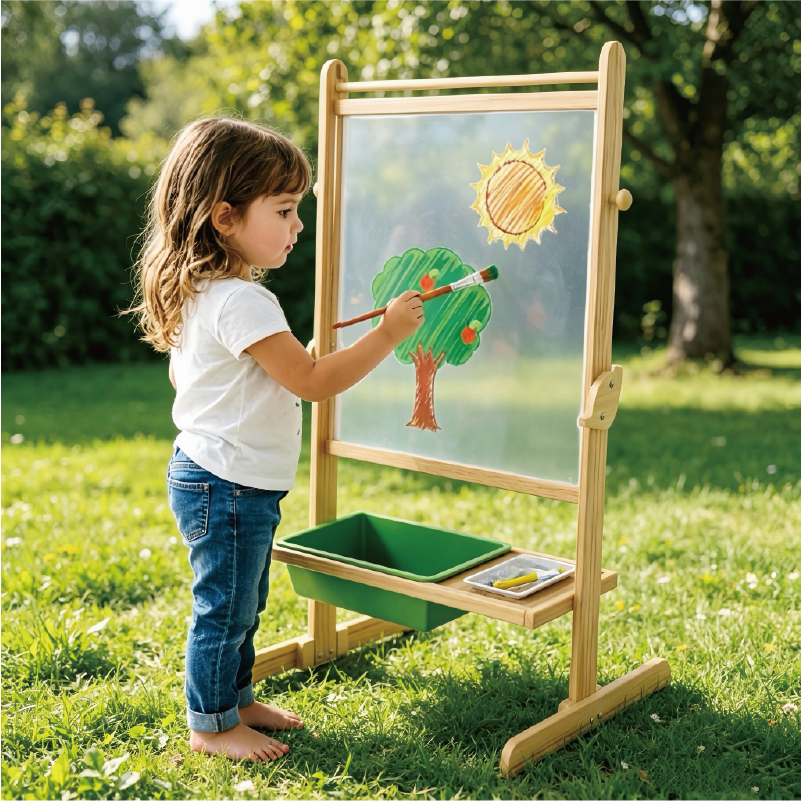
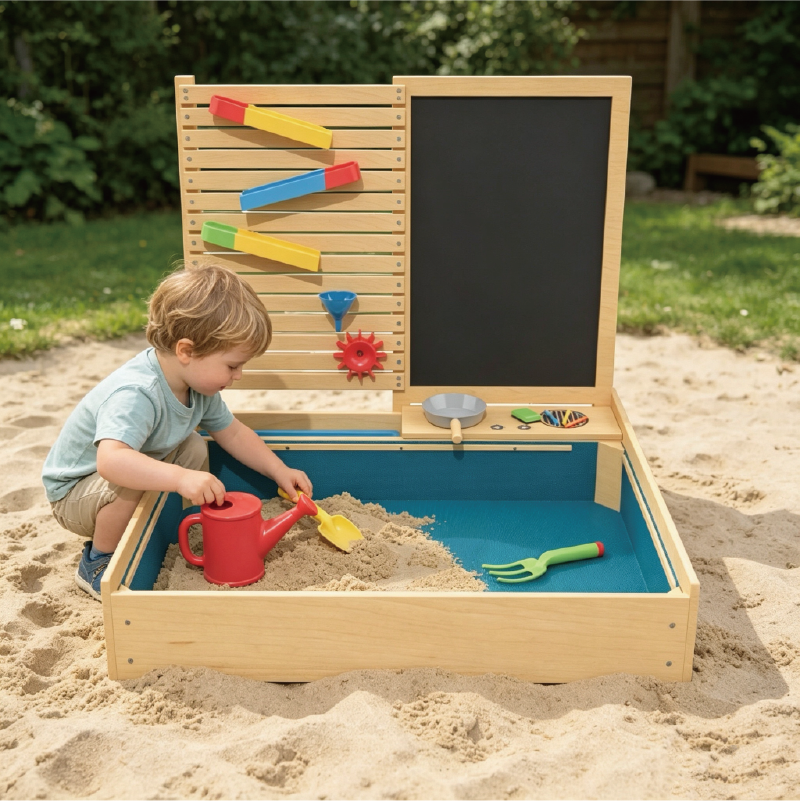
Outdoor play naturally invites group interaction. A wooden sand-and-water table becomes a shared construction site; a multi-child art easel turns into a collaborative gallery. These social experiences teach teamwork, communication, and turn-taking in ways that solitary indoor activities cannot. Schools, nurseries, and community playgrounds increasingly prioritize outdoor wooden equipment that supports cooperative play.
Nature Connection and Sensory Enrichment
Wooden toys placed in outdoor environments connect children to natural textures, sounds, and weather patterns. A child pushing a wooden cart across grass feels resistance and hears rustling leaves — sensory inputs that ground them in the physical world. This nature connection is linked to reduced anxiety, improved attention spans, and stronger environmental stewardship values later in life. For brands, marketing outdoor wooden toys as "nature-compatible play" resonates strongly with eco-conscious millennial and Gen-Z parents.
Looking for custom wooden toys for your brand?
Contact KidMerry for OEM/ODM solutions, fast sampling, and certified manufacturing. Get a Quote