Why Montessori Wooden Toys Build Strong STEM Foundations in Early Childhood
- Share
- Issue Time
- Aug 24,2026
Summary
Montessori wooden toys build STEM foundations through shape-sorting, counting, and hands-on play — developing spatial reasoning, problem-solving, and mathematical thinking.
Why Montessori Wooden Toys Build Strong STEM Foundations in Early Childhood
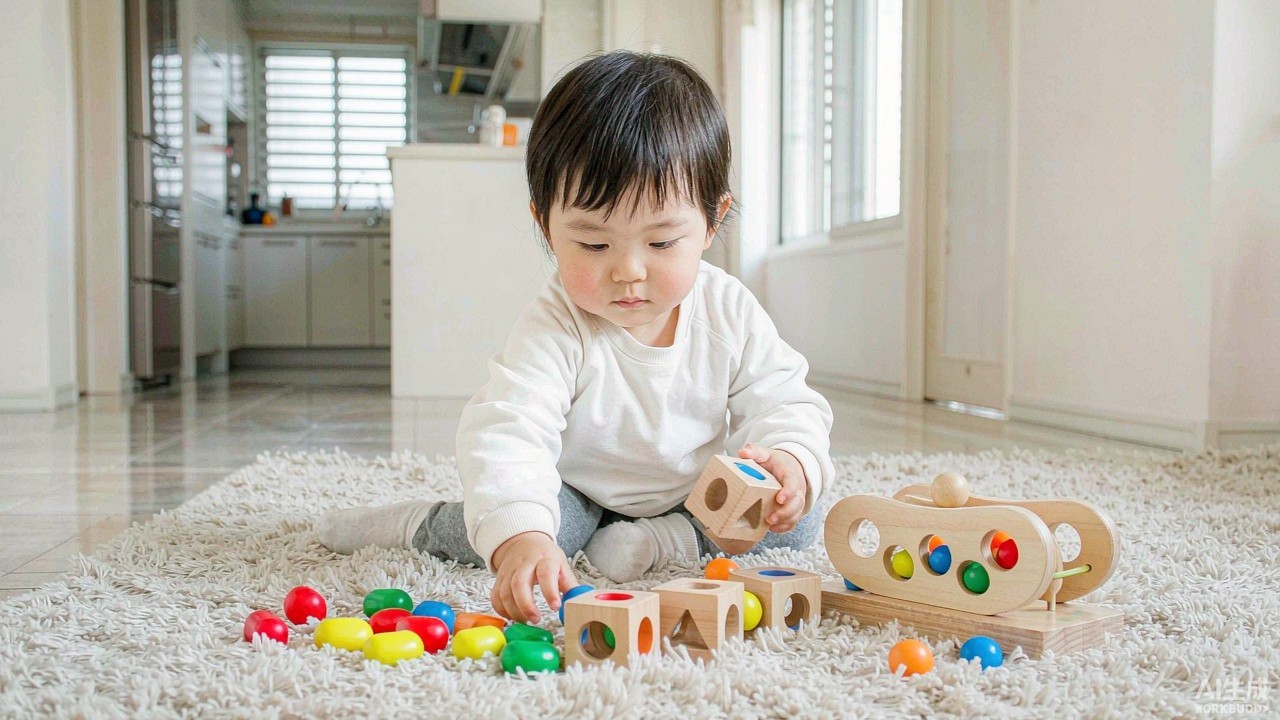
Montessori education emphasizes hands-on, self-directed activity with natural materials. When children interact with wooden toys — stacking, sorting, and manipulating shapes — they are not simply playing. They are building the cognitive architecture required for science, technology, engineering, and mathematics (STEM) mastery.
Unlike plastic counterparts, wooden toys provide weight, texture, and temperature feedback that deepens sensory engagement. This sensory richness is directly linked to stronger neural pathways in early brain development.
In this article, we explore why Montessori wooden toys are a proven tool for STEM skill acquisition, and how OEM/ODM brands can leverage this educational trend to create products that parents, educators, and retailers demand.
Spatial Reasoning Through Block Play
Montessori wooden blocks and geometric puzzles challenge children to recognize patterns, balance structures, and visualize spatial relationships. Research shows that early block play correlates with later mathematical achievement. Manufacturers who design precise, durable wooden blocks with varied geometric profiles offer educators tools that directly support spatial learning.
Problem-Solving via Cause-and-Effect Toys
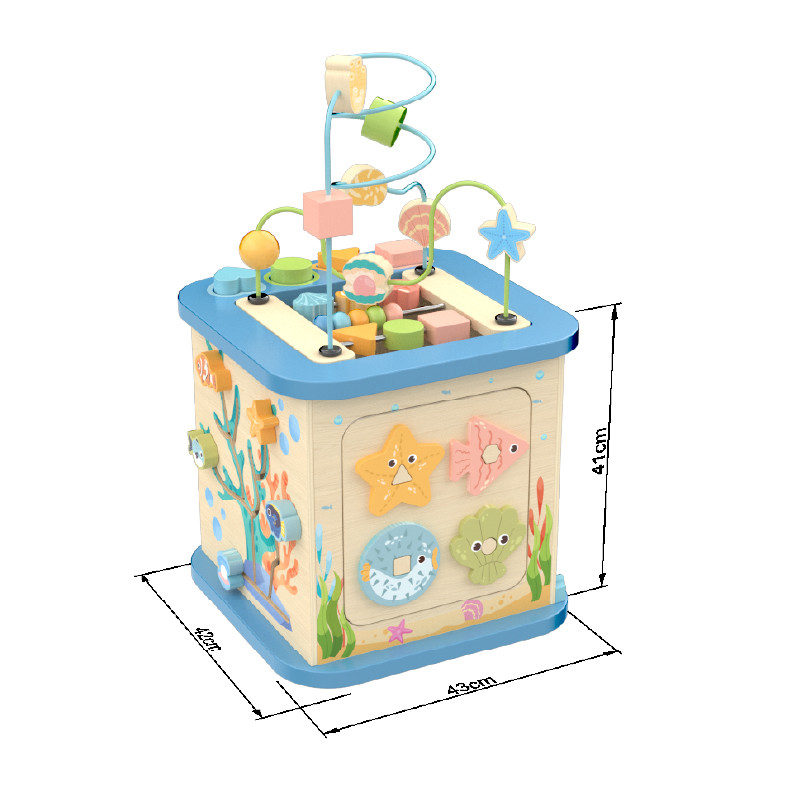
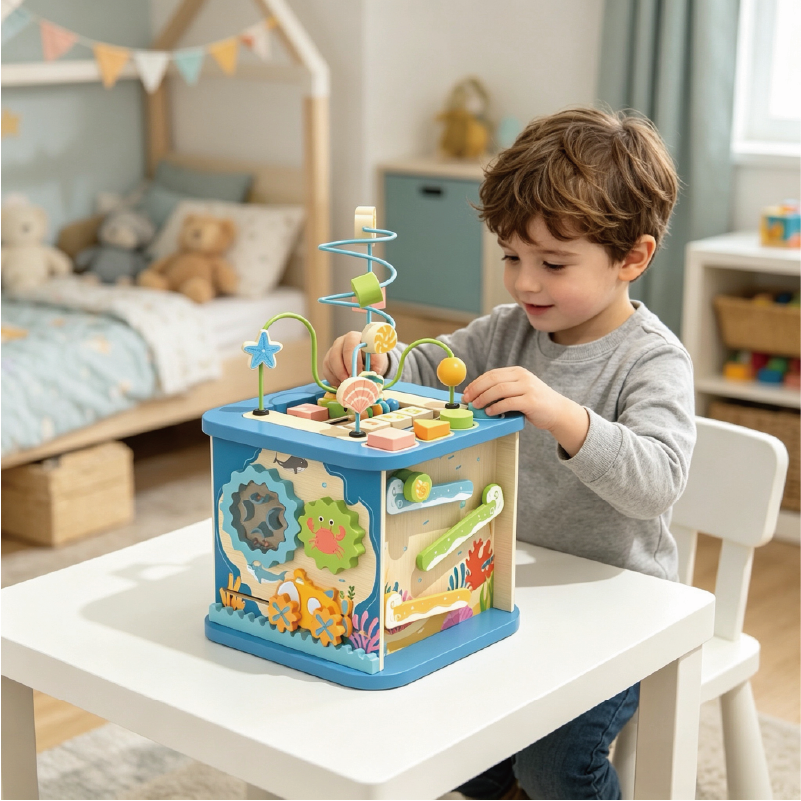
Toys such as bead mazes, stacking rings, and interlocking cubes teach cause-and-effect logic. When a child rotates a bead along a wire or balances a stacking piece, they engage in iterative problem-solving — a core STEM competency. Wooden versions of these toys, crafted from sustainably sourced pine or beech, align with both environmental values and child-safety standards.
Mathematical Thinking with Counting and Sorting
Counting rods, number boards, and sorting trays introduce numerical concepts through tactile learning. Children internalize quantity, sequence, and classification by physically manipulating wooden pieces. For B2B buyers, offering customizable counting sets — branded with school logos or regional number systems — opens high-margin educational market segments.
Looking for custom wooden toys for your brand?
Contact KidMerry for OEM/ODM solutions, fast sampling, and certified manufacturing. Get a Quote