How to Speed Up Toy Sampling and Shorten Wooden Toy Development Cycles
- Share
- publisher
- KidMerry
- Issue Time
- Aug 24,2026
Summary
45-day sampling is too slow. KidMerry's four-step workflow — DFM, 3D modeling, CNC prototyping, parallel approval — cuts development cycles by up to 40%.
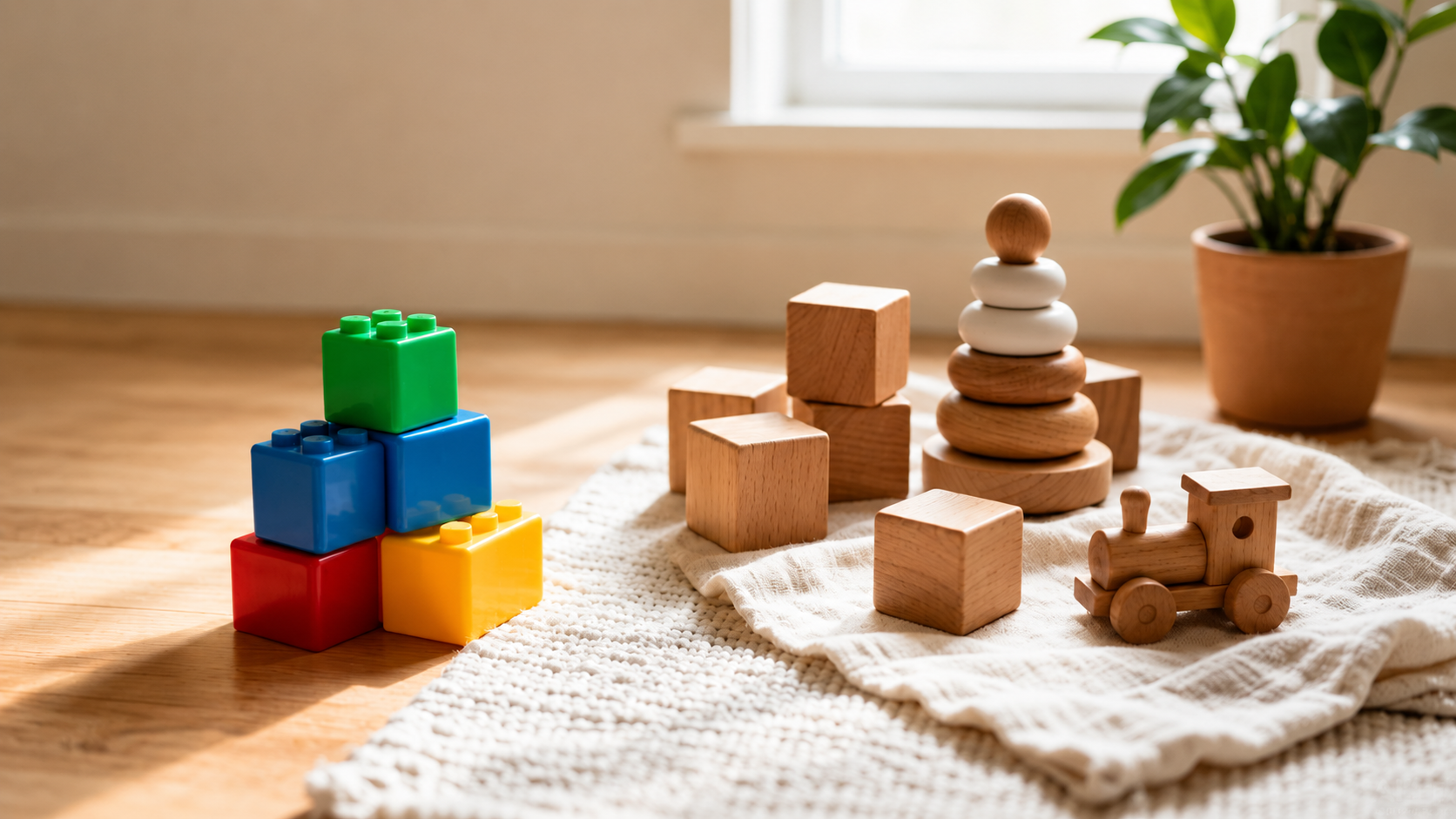
How to Speed Up Toy Sampling and Shorten Wooden Toy Development Cycles
Every week a new product spends in sampling is a week a competitor can take your shelf space. In our experience, most wooden toy development cycles are inflated by avoidable serial waiting — approvals that could run in parallel, specs that arrive late, and materials chosen without a feasibility check.
Why Sampling Usually Takes So Long
Classic bottlenecks: unclear 2D drawings that force rework, waiting for a mold or tooling decision before any sample can start, and paint or packaging approvals handled only after the wood sample is approved. Each step waits for the previous one, and the timeline quietly doubles.
The 4-Step KidMerry Fast Sampling Workflow
- DFM review within 24 hours. We check your drawing for wall thickness, corner radius, joinery and mold feasibility before any cutting starts — catching 80% of rework at the cheapest moment.
- 3D modeling and photorealistic rendering in 2–3 days. You approve the design on screen, not by guessing from a flat sketch.
- CNC prototyping in 5–7 days. Our in-house CNC line cuts real beech or birch samples so you feel the weight, sanding and finish.
- Parallel approval tracks. Paint colors, packaging, certification documents and assembly instructions are confirmed while the sample ships — not after.
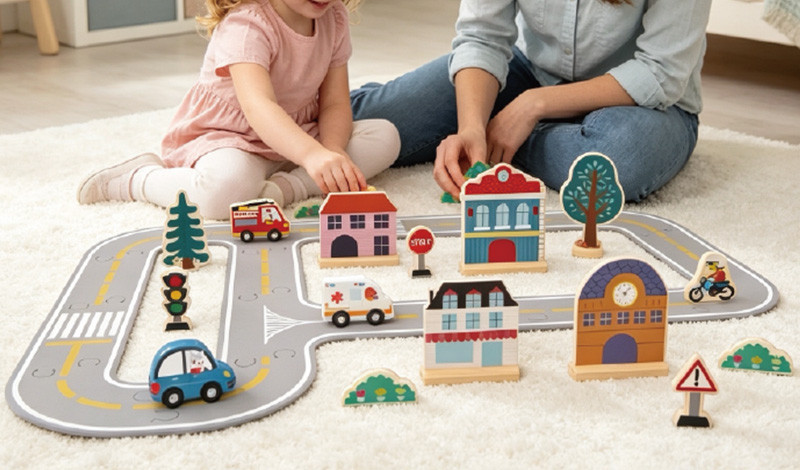
Parallel vs Serial: Where the 40% Saving Comes From
A serial process runs design → sample → paint → package → test. A parallel process starts paint and packaging validation on day one, overlaps testing with tooling, and freezes the drawing only once. The result: a custom new product typically samples in 15–20 days, and a modification of an existing design in 7–10 days.
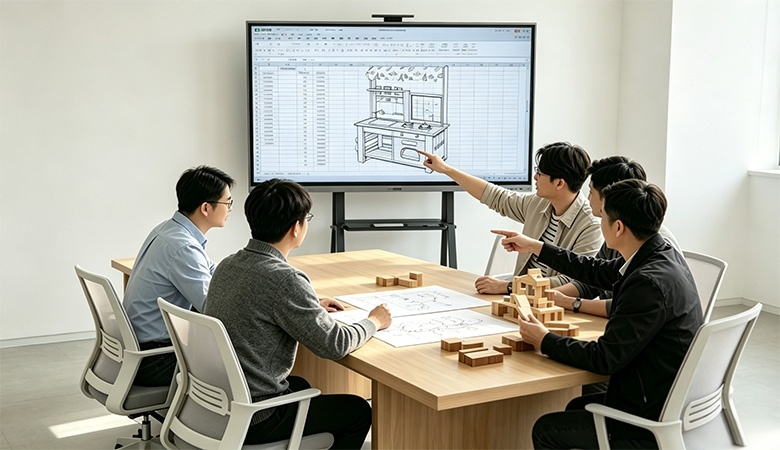
What Keeps Your Timeline Fast (and What Kills It)
- Send a reference photo or target sketch — even rough — so the first model is close.
- Decide paint and packaging early; they gate production more than the wood shape does.
- Give one consolidated feedback round per stage instead of three small rounds.
- Lock the design before ordering tooling, not after.
Send Your Drawing for a Sampling Timeline
We will reply within 24 hours with a DFM check and a day-by-day schedule.
Get a Sampling Quote