How to Choose the Right Wood for Wooden Toys: Pine vs Beech vs Birch
- Share
- publisher
- KidMerry
- Issue Time
- Aug 24,2026
Summary
Wood choice decides durability, cost and safety. Compare pine, beech and birch on hardness, grain, price and finish — and see how KidMerry matches wood to markets with FSC-certified supply.
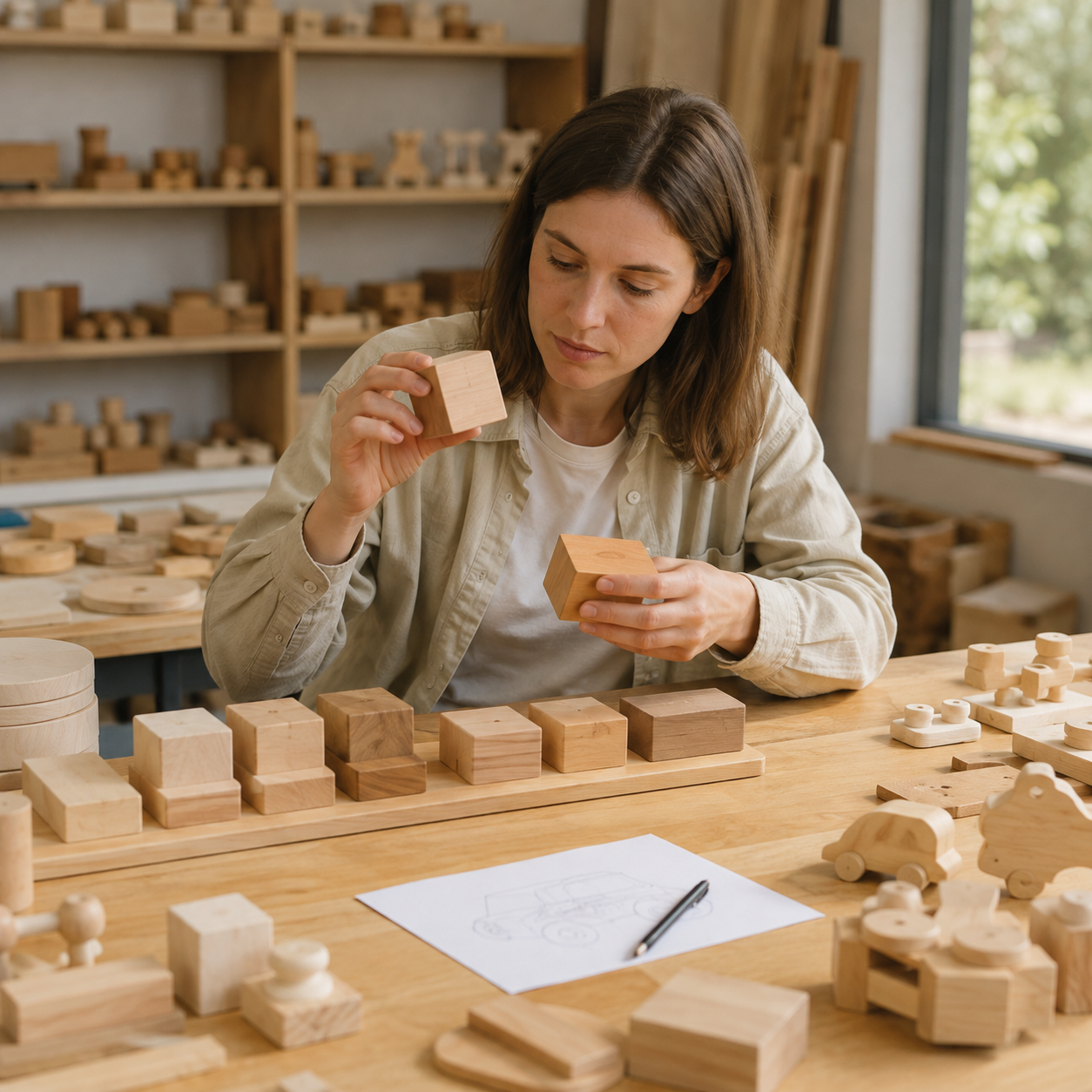
The wood you choose quietly decides everything downstream — how the toy feels in a child's hand, how long it survives the playroom, how much it costs to produce, and whether it passes EN71 or ASTM chemical testing. For importers and brands, this one decision separates a premium line from a commodity one. Hardness determines dent resistance and edge stability. Grain pattern drives how cleanly paint and clear coats sit on the surface. Porosity affects how much lacquer the piece absorbs — and therefore cost. And density influences weight, which buyers feel the moment they lift a box. There is no single "best" wood, only the best wood for your price point, age range and target certification. Send us your target price, age range and export markets. Our engineering team will recommend the wood, finish and construction that balance certification, cost and play value — and ship you physical samples to compare by hand. Get a wood-matching recommendation for your next wooden toy project.How to Choose the Right Wood for Wooden Toys: Pine vs Beech vs Birch
Why Wood Choice Matters
Pine vs Beech vs Birch: The Honest Comparison
Property Pine Beech Birch Hardness (Janka) ~380–420 lbf ~1,300 lbf ~1,260 lbf Grain Visible, knots common Fine, tight, uniform Fine, straight, subtle Relative cost Low Medium–high Medium Finishing behavior Absorbs paint unevenly Excellent, smooth result Excellent, even coats Best suited for Budget educational toys, frames Puzzles, blocks, activity centers Montessori toys, fine parts 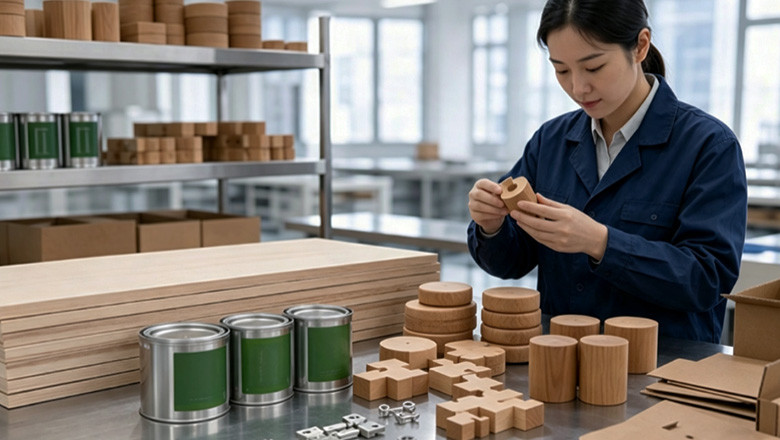
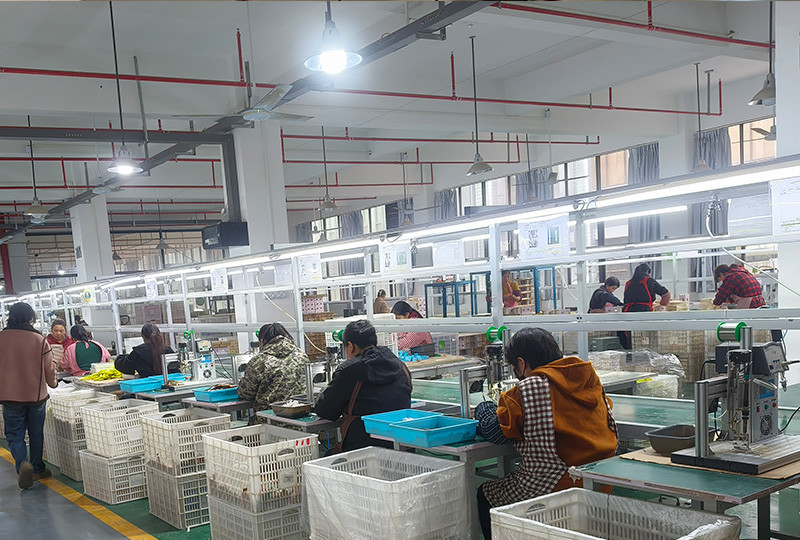
How KidMerry Matches Wood to Your Market
Get Material Advice Before You Commit
Request Free Material & Sample Consultation